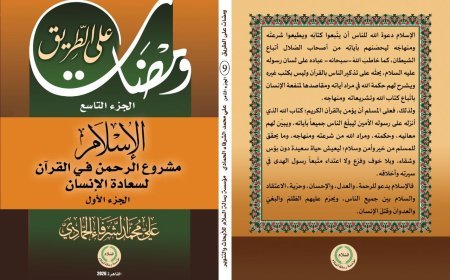
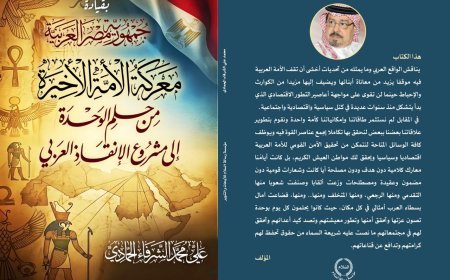













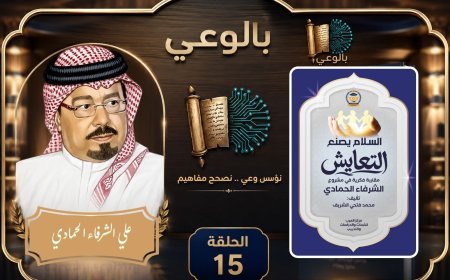

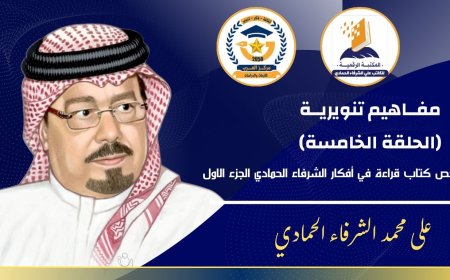







Ramadan Nights of the Digital Library of Elshorafa Elhamadi Call for an International Initiative for Tolerance and Qur’anic Reading to Re-Entrench the Message of Peace
Ramadan Nights of the Digital Library of Elshorafa Elhamadi Call for an International Initiative for Tolerance and Qur’anic Reading to Re-Entrench the Message of Peace

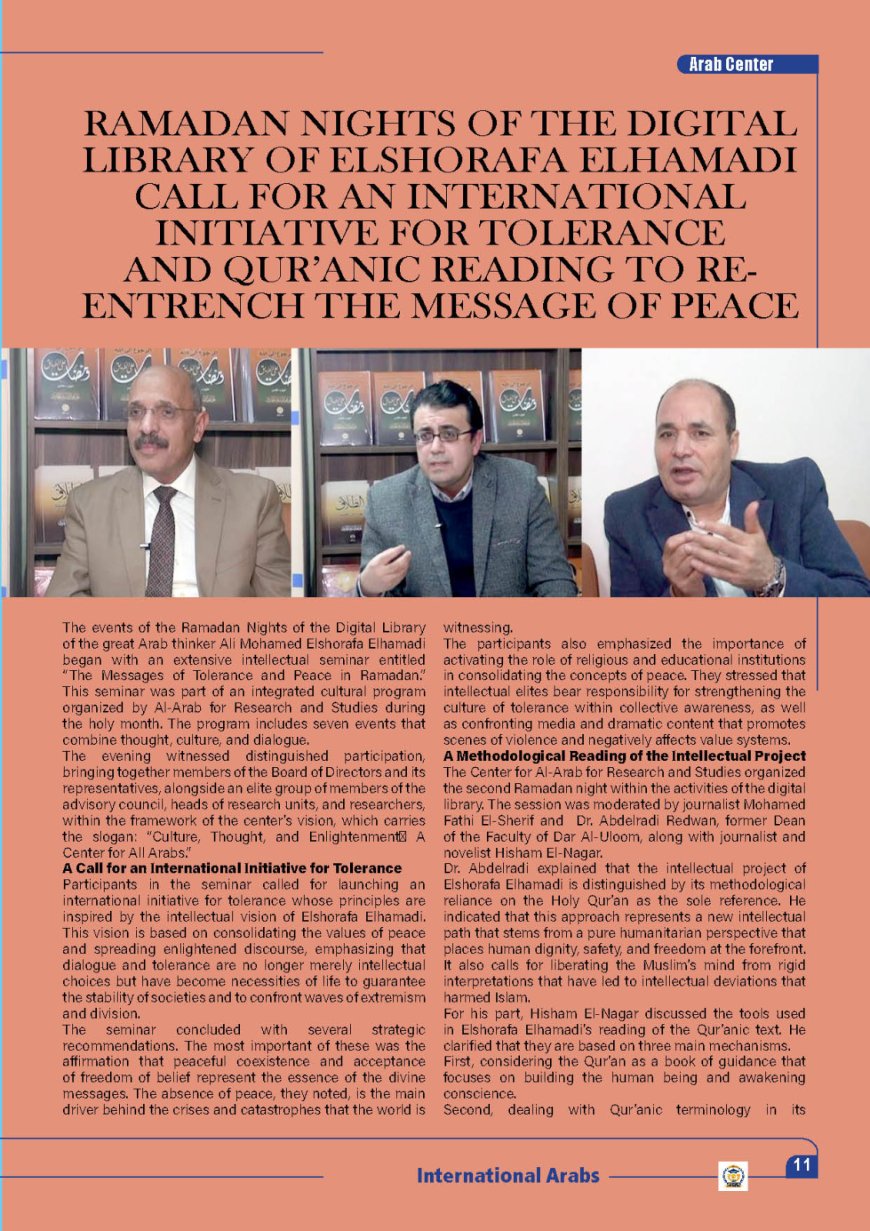
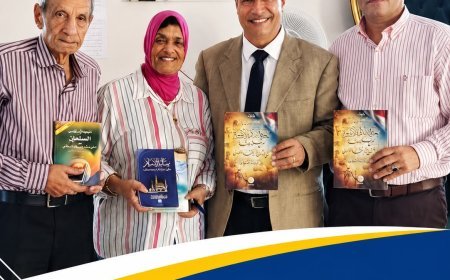
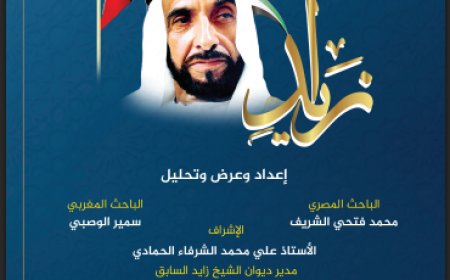
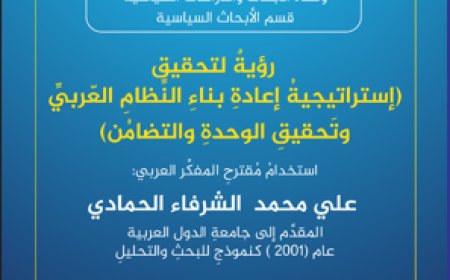
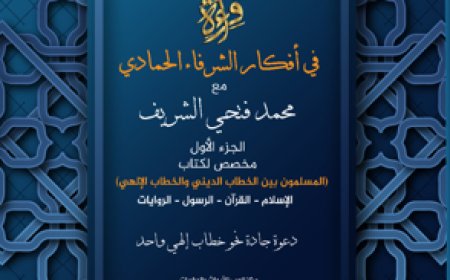
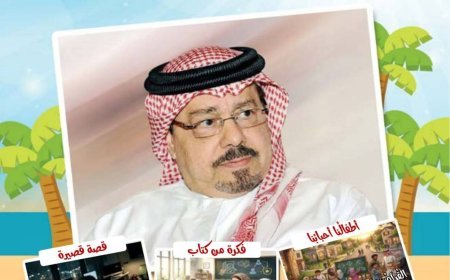
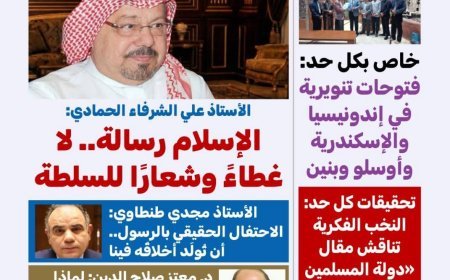
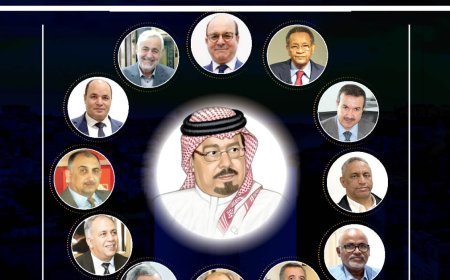
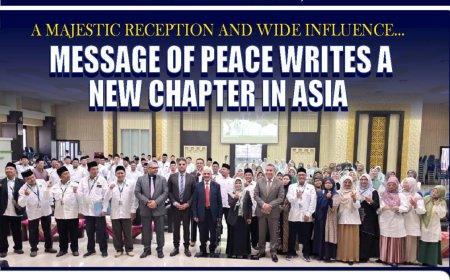
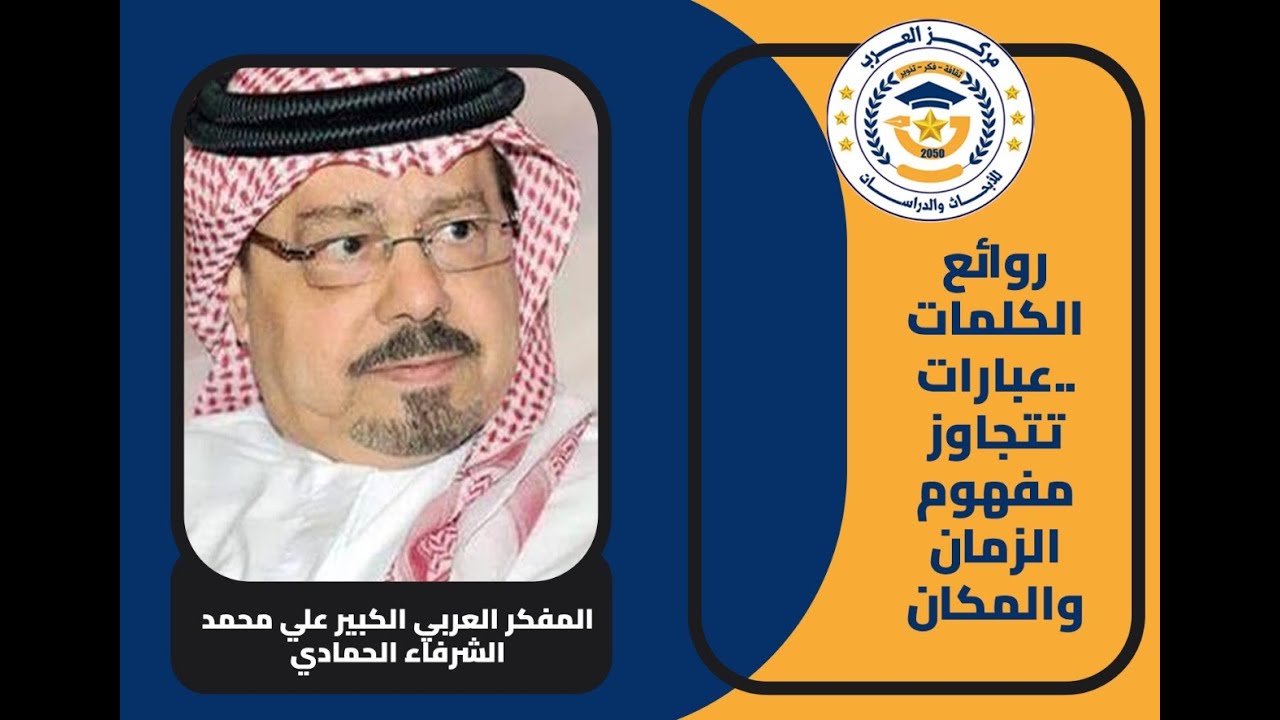
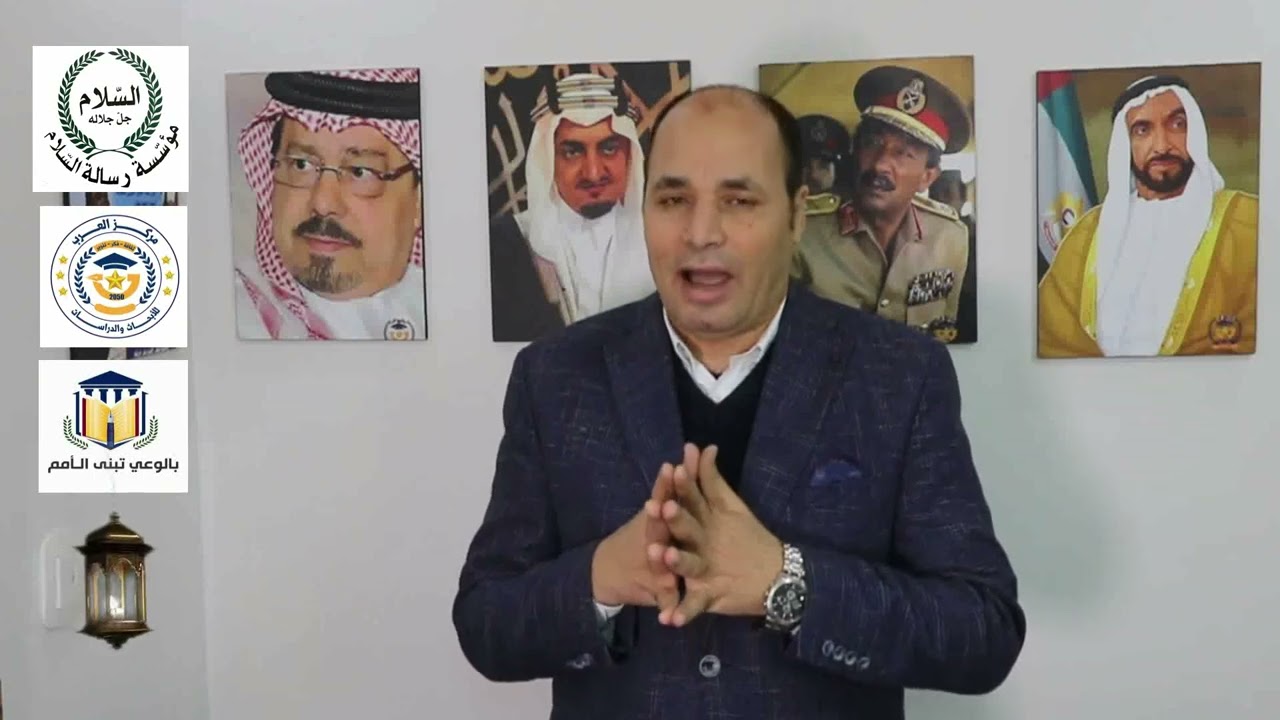
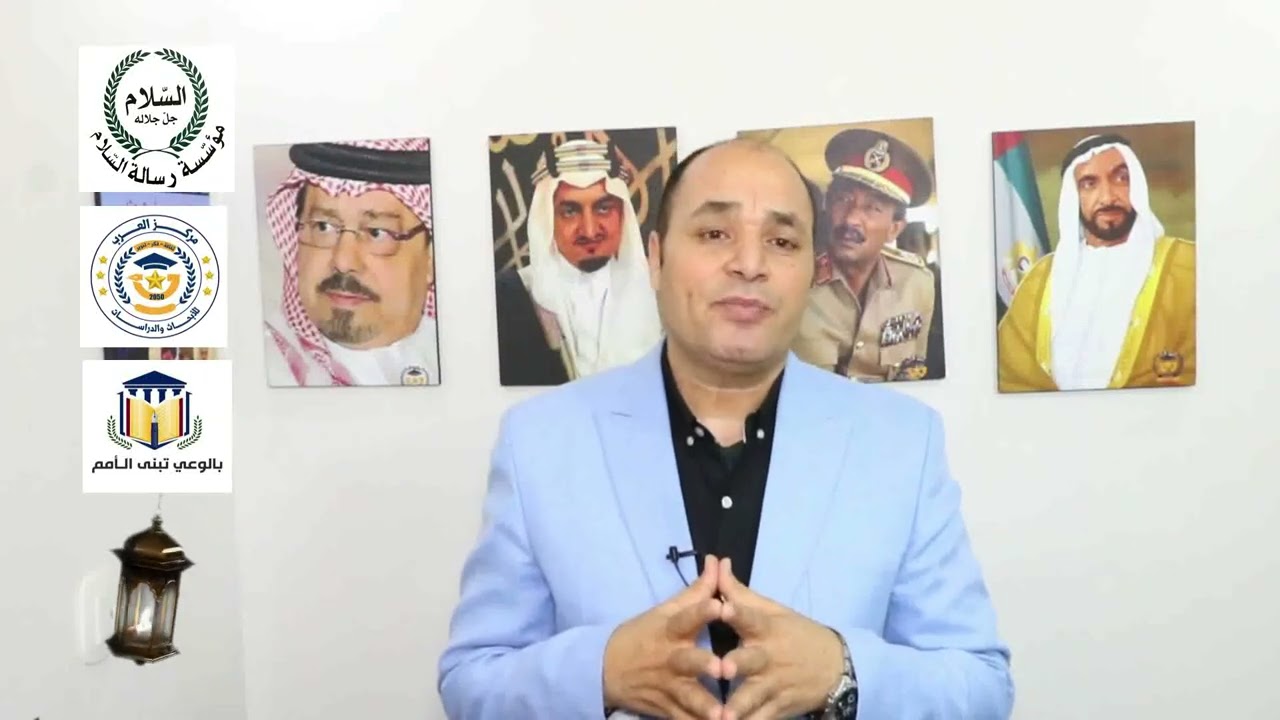
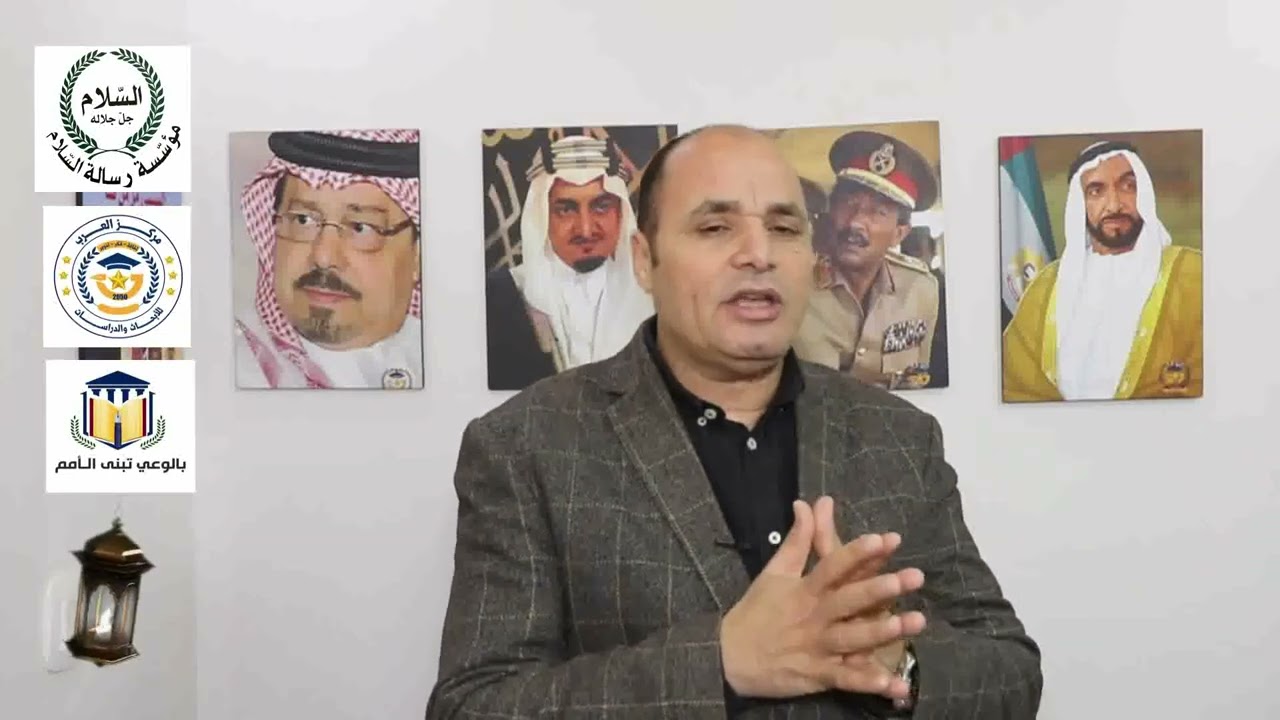
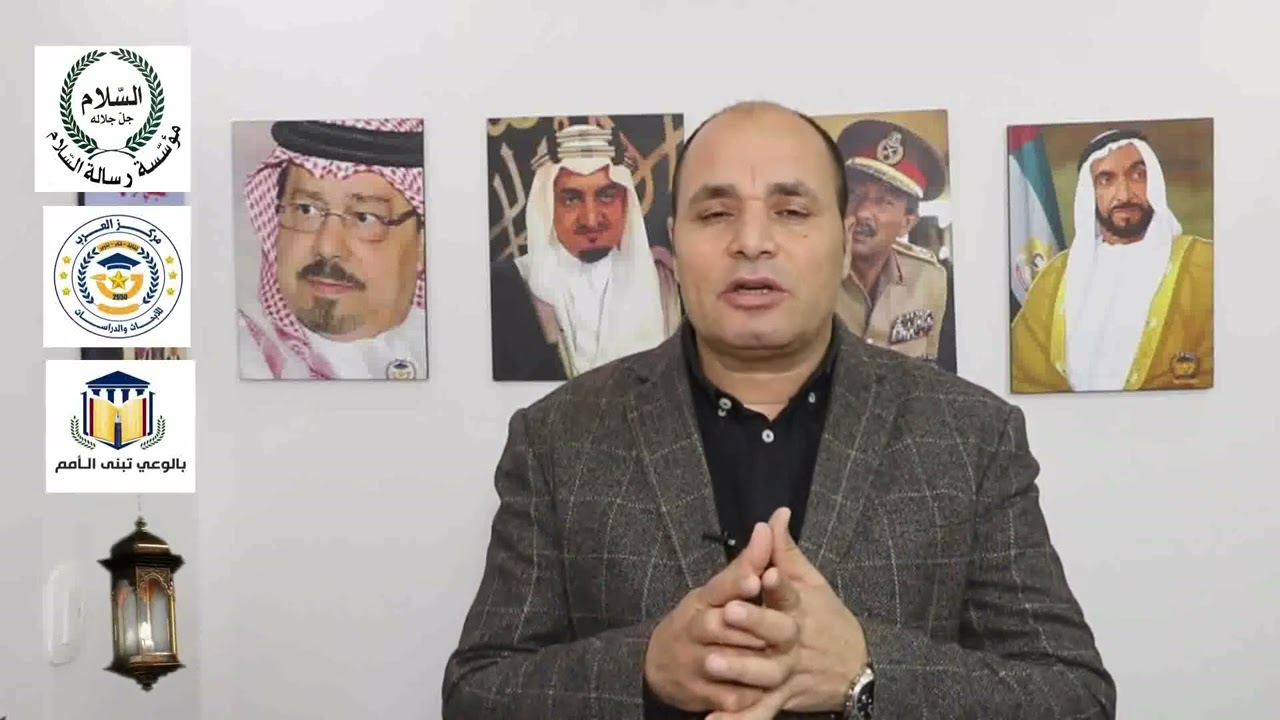
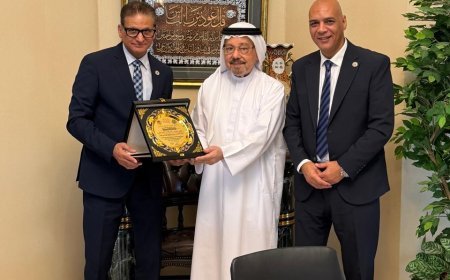
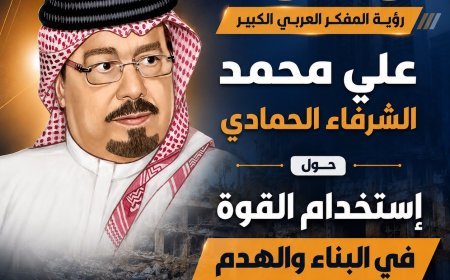
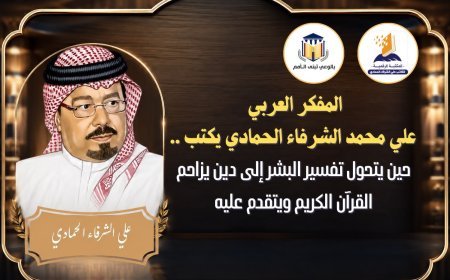
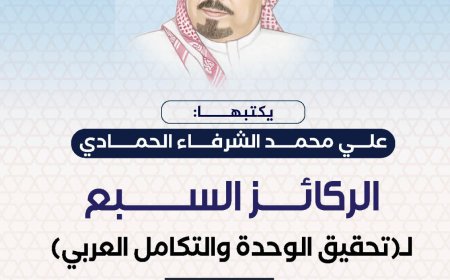
The events of the Ramadan Nights of the Digital Library of the great Arab thinker Ali Mohamed Elshorafa Elhamadi began with an extensive intellectual seminar entitled “The Messages of Tolerance and Peace in Ramadan.” This seminar was part of an integrated cultural program organized by Al-Arab for Research and Studies during the holy month. The program includes seven events that combine thought, culture, and dialogue.
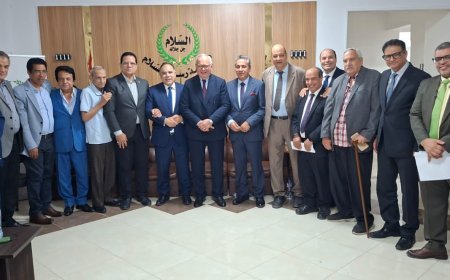
The evening witnessed distinguished participation, bringing together members of the Board of Directors and its representatives, alongside an elite group of members of the advisory council, heads of research units, and researchers, within the framework of the center’s vision, which carries the slogan: “Culture, Thought, and Enlightenment… A Center for All Arabs.”
A Call for an International Initiative for Tolerance
Participants in the seminar called for launching an international initiative for tolerance whose principles are inspired by the intellectual vision of Elshorafa Elhamadi. This vision is based on consolidating the values of peace and spreading enlightened discourse, emphasizing that dialogue and tolerance are no longer merely intellectual choices but have become necessities of life to guarantee the stability of societies and to confront waves of extremism and division.
The seminar concluded with several strategic recommendations. The most important of these was the affirmation that peaceful coexistence and acceptance of freedom of belief represent the essence of the divine messages. The absence of peace, they noted, is the main driver behind the crises and catastrophes that the world is witnessing.
The participants also emphasized the importance of activating the role of religious and educational institutions in consolidating the concepts of peace. They stressed that intellectual elites bear responsibility for strengthening the culture of tolerance within collective awareness, as well as confronting media and dramatic content that promotes scenes of violence and negatively affects value systems.
A Methodological Reading of the Intellectual Project
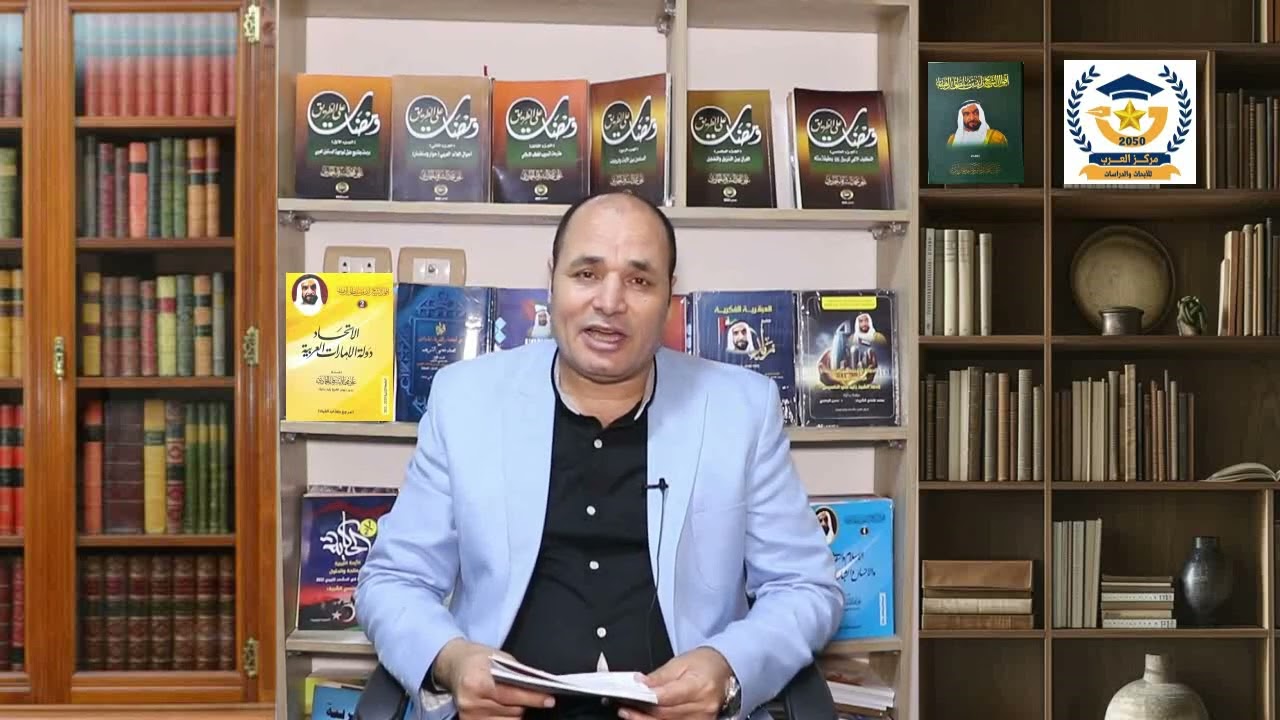
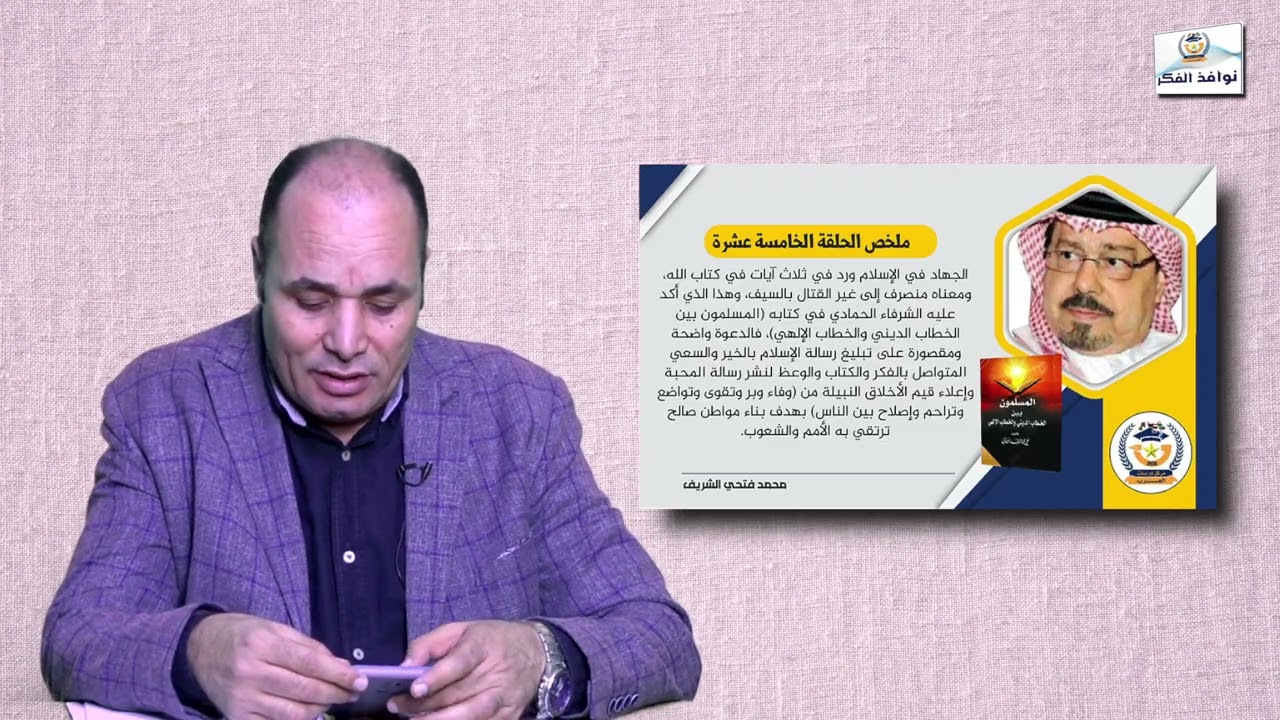
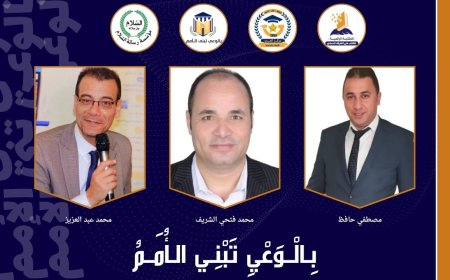
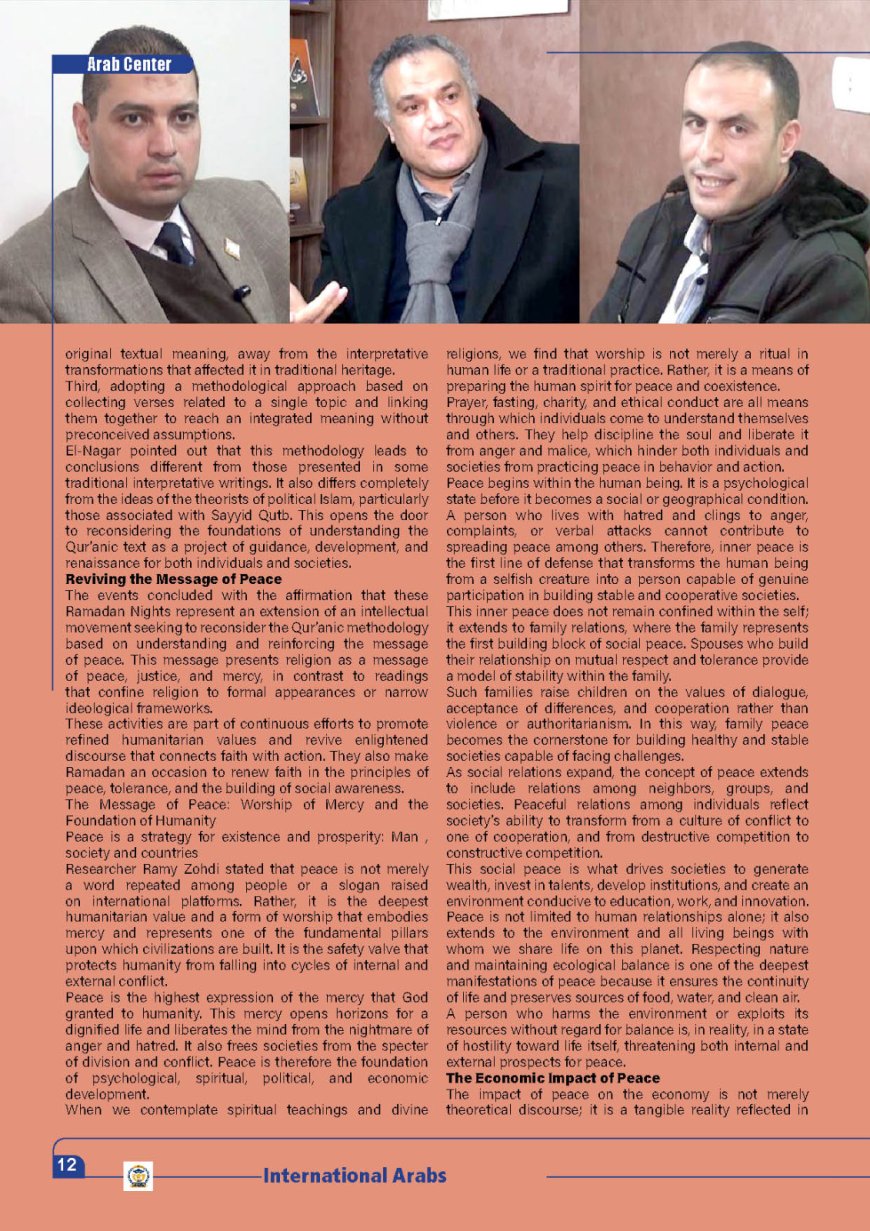
The Center for Al-Arab for Research and Studies organized the second Ramadan night within the activities of the digital library. The session was moderated by journalist Mohamed Fathi El-Sherif and Dr. Abdelradi Redwan, former Dean of the Faculty of Dar Al-Uloom, along with journalist and novelist Hisham El-Nagar.
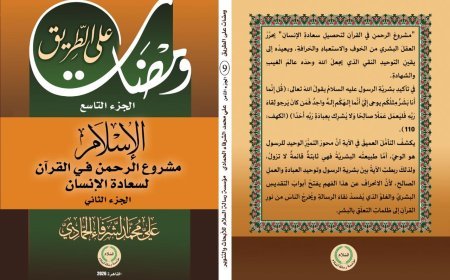
Dr. Abdelradi explained that the intellectual project of Elshorafa Elhamadi is distinguished by its methodological reliance on the Holy Qur’an as the sole reference. He indicated that this approach represents a new intellectual path that stems from a pure humanitarian perspective that places human dignity, safety, and freedom at the forefront. It also calls for liberating the Muslim’s mind from rigid interpretations that have led to intellectual deviations that harmed Islam.
For his part, Hisham El-Nagar discussed the tools used in Elshorafa Elhamadi’s reading of the Qur’anic text. He clarified that they are based on three main mechanisms.
First, considering the Qur’an as a book of guidance that focuses on building the human being and awakening conscience.
Second, dealing with Qur’anic terminology in its original textual meaning, away from the interpretative transformations that affected it in traditional heritage.
Third, adopting a methodological approach based on collecting verses related to a single topic and linking them together to reach an integrated meaning without preconceived assumptions.
El-Nagar pointed out that this methodology leads to conclusions different from those presented in some traditional interpretative writings. It also differs completely from the ideas of the theorists of political Islam, particularly those associated with Sayyid Qutb. This opens the door to reconsidering the foundations of understanding the Qur’anic text as a project of guidance, development, and renaissance for both individuals and societies.
Reviving the Message of Peace
The events concluded with the affirmation that these Ramadan Nights represent an extension of an intellectual movement seeking to reconsider the Qur’anic methodology based on understanding and reinforcing the message of peace. This message presents religion as a message of peace, justice, and mercy, in contrast to readings that confine religion to formal appearances or narrow ideological frameworks.
These activities are part of continuous efforts to promote refined humanitarian values and revive enlightened discourse that connects faith with action. They also make Ramadan an occasion to renew faith in the principles of peace, tolerance, and the building of social awareness.
The Message of Peace: Worship of Mercy and the Foundation of Humanity
Peace is a strategy for existence and prosperity: Man , society and countries
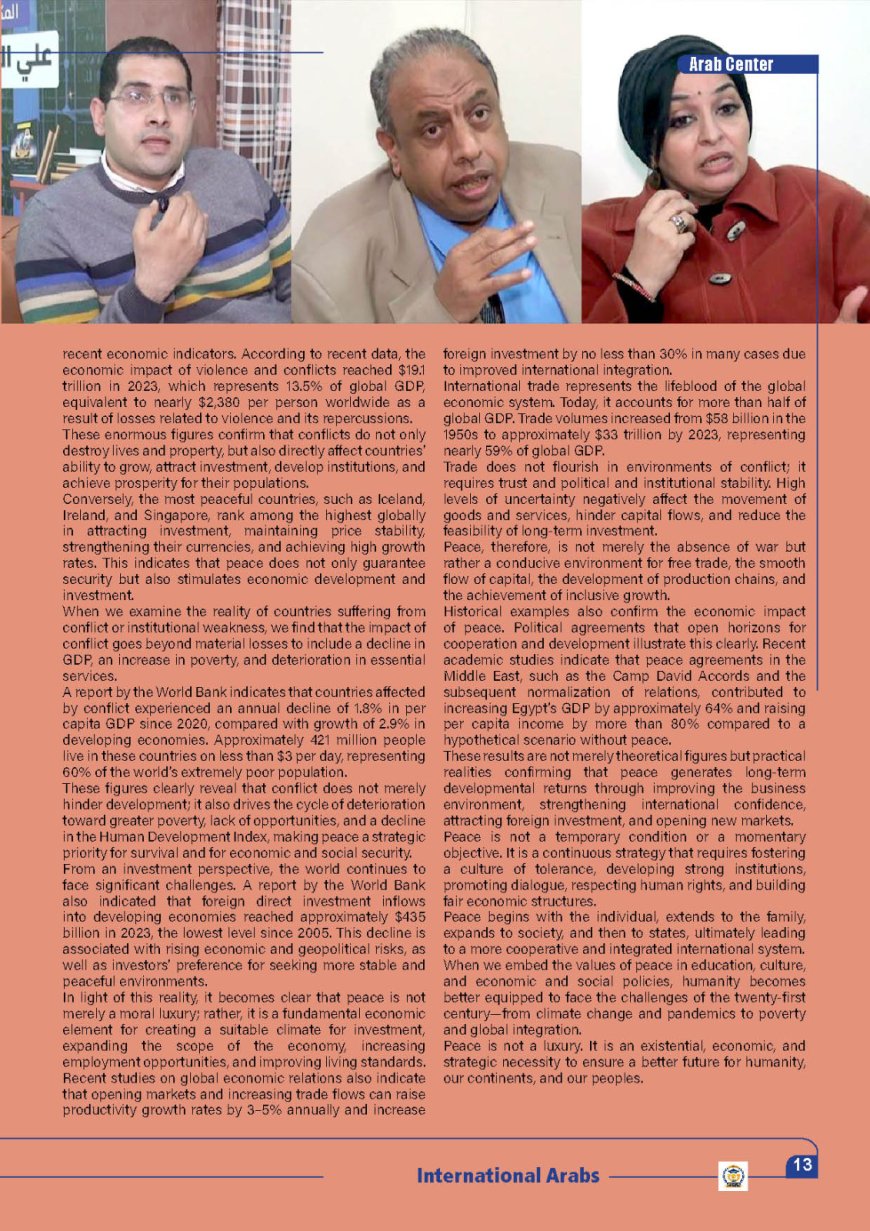
Researcher Ramy Zohdi stated that peace is not merely a word repeated among people or a slogan raised on international platforms. Rather, it is the deepest humanitarian value and a form of worship that embodies mercy and represents one of the fundamental pillars upon which civilizations are built. It is the safety valve that protects humanity from falling into cycles of internal and external conflict.
Peace is the highest expression of the mercy that God granted to humanity. This mercy opens horizons for a dignified life and liberates the mind from the nightmare of anger and hatred. It also frees societies from the specter of division and conflict. Peace is therefore the foundation of psychological, spiritual, political, and economic development.
When we contemplate spiritual teachings and divine religions, we find that worship is not merely a ritual in human life or a traditional practice. Rather, it is a means of preparing the human spirit for peace and coexistence.
Prayer, fasting, charity, and ethical conduct are all means through which individuals come to understand themselves and others. They help discipline the soul and liberate it from anger and malice, which hinder both individuals and societies from practicing peace in behavior and action.
Peace begins within the human being. It is a psychological state before it becomes a social or geographical condition.
A person who lives with hatred and clings to anger, complaints, or verbal attacks cannot contribute to spreading peace among others. Therefore, inner peace is the first line of defense that transforms the human being from a selfish creature into a person capable of genuine participation in building stable and cooperative societies.
This inner peace does not remain confined within the self; it extends to family relations, where the family represents the first building block of social peace. Spouses who build their relationship on mutual respect and tolerance provide a model of stability within the family.
Such families raise children on the values of dialogue, acceptance of differences, and cooperation rather than violence or authoritarianism. In this way, family peace becomes the cornerstone for building healthy and stable societies capable of facing challenges.
As social relations expand, the concept of peace extends to include relations among neighbors, groups, and societies. Peaceful relations among individuals reflect society’s ability to transform from a culture of conflict to one of cooperation, and from destructive competition to constructive competition.
This social peace is what drives societies to generate wealth, invest in talents, develop institutions, and create an environment conducive to education, work, and innovation.
Peace is not limited to human relationships alone; it also extends to the environment and all living beings with whom we share life on this planet. Respecting nature and maintaining ecological balance is one of the deepest manifestations of peace because it ensures the continuity of life and preserves sources of food, water, and clean air.
A person who harms the environment or exploits its resources without regard for balance is, in reality, in a state of hostility toward life itself, threatening both internal and external prospects for peace.
The Economic Impact of Peace
The impact of peace on the economy is not merely theoretical discourse; it is a tangible reality reflected in recent economic indicators. According to recent data, the economic impact of violence and conflicts reached $19.1 trillion in 2023, which represents 13.5% of global GDP, equivalent to nearly $2,380 per person worldwide as a result of losses related to violence and its repercussions.
These enormous figures confirm that conflicts do not only destroy lives and property, but also directly affect countries’ ability to grow, attract investment, develop institutions, and achieve prosperity for their populations.
Conversely, the most peaceful countries, such as Iceland, Ireland, and Singapore, rank among the highest globally in attracting investment, maintaining price stability, strengthening their currencies, and achieving high growth rates. This indicates that peace does not only guarantee security but also stimulates economic development and investment.
When we examine the reality of countries suffering from conflict or institutional weakness, we find that the impact of conflict goes beyond material losses to include a decline in GDP, an increase in poverty, and deterioration in essential services.
A report by the World Bank indicates that countries affected by conflict experienced an annual decline of 1.8% in per capita GDP since 2020, compared with growth of 2.9% in developing economies. Approximately 421 million people live in these countries on less than $3 per day, representing 60% of the world’s extremely poor population.
These figures clearly reveal that conflict does not merely hinder development; it also drives the cycle of deterioration toward greater poverty, lack of opportunities, and a decline in the Human Development Index, making peace a strategic priority for survival and for economic and social security.
From an investment perspective, the world continues to face significant challenges. A report by the World Bank also indicated that foreign direct investment inflows into developing economies reached approximately $435 billion in 2023, the lowest level since 2005. This decline is associated with rising economic and geopolitical risks, as well as investors’ preference for seeking more stable and peaceful environments.
In light of this reality, it becomes clear that peace is not merely a moral luxury; rather, it is a fundamental economic element for creating a suitable climate for investment, expanding the scope of the economy, increasing employment opportunities, and improving living standards.
Recent studies on global economic relations also indicate that opening markets and increasing trade flows can raise productivity growth rates by 3–5% annually and increase foreign investment by no less than 30% in many cases due to improved international integration.
International trade represents the lifeblood of the global economic system. Today, it accounts for more than half of global GDP. Trade volumes increased from $58 billion in the 1950s to approximately $33 trillion by 2023, representing nearly 59% of global GDP.
Trade does not flourish in environments of conflict; it requires trust and political and institutional stability. High levels of uncertainty negatively affect the movement of goods and services, hinder capital flows, and reduce the feasibility of long-term investment.
Peace, therefore, is not merely the absence of war but rather a conducive environment for free trade, the smooth flow of capital, the development of production chains, and the achievement of inclusive growth.
Historical examples also confirm the economic impact of peace. Political agreements that open horizons for cooperation and development illustrate this clearly. Recent academic studies indicate that peace agreements in the Middle East, such as the Camp David Accords and the subsequent normalization of relations, contributed to increasing Egypt’s GDP by approximately 64% and raising per capita income by more than 80% compared to a hypothetical scenario without peace.
These results are not merely theoretical figures but practical realities confirming that peace generates long-term developmental returns through improving the business environment, strengthening international confidence, attracting foreign investment, and opening new markets.
Peace is not a temporary condition or a momentary objective. It is a continuous strategy that requires fostering a culture of tolerance, developing strong institutions, promoting dialogue, respecting human rights, and building fair economic structures.
Peace begins with the individual, extends to the family, expands to society, and then to states, ultimately leading to a more cooperative and integrated international system.
When we embed the values of peace in education, culture, and economic and social policies, humanity becomes better equipped to face the challenges of the twenty-first century—from climate change and pandemics to poverty and global integration.
Peace is not a luxury. It is an existential, economic, and strategic necessity to ensure a better future for humanity, our continents, and our peoples.
ما هو رد فعلك؟
 يحب
0
يحب
0
 لا يعجبني
0
لا يعجبني
0
 حب
0
حب
0
 مضحك
0
مضحك
0
 غاضب
0
غاضب
0
 حزين
0
حزين
0
 رائع
0
رائع
0